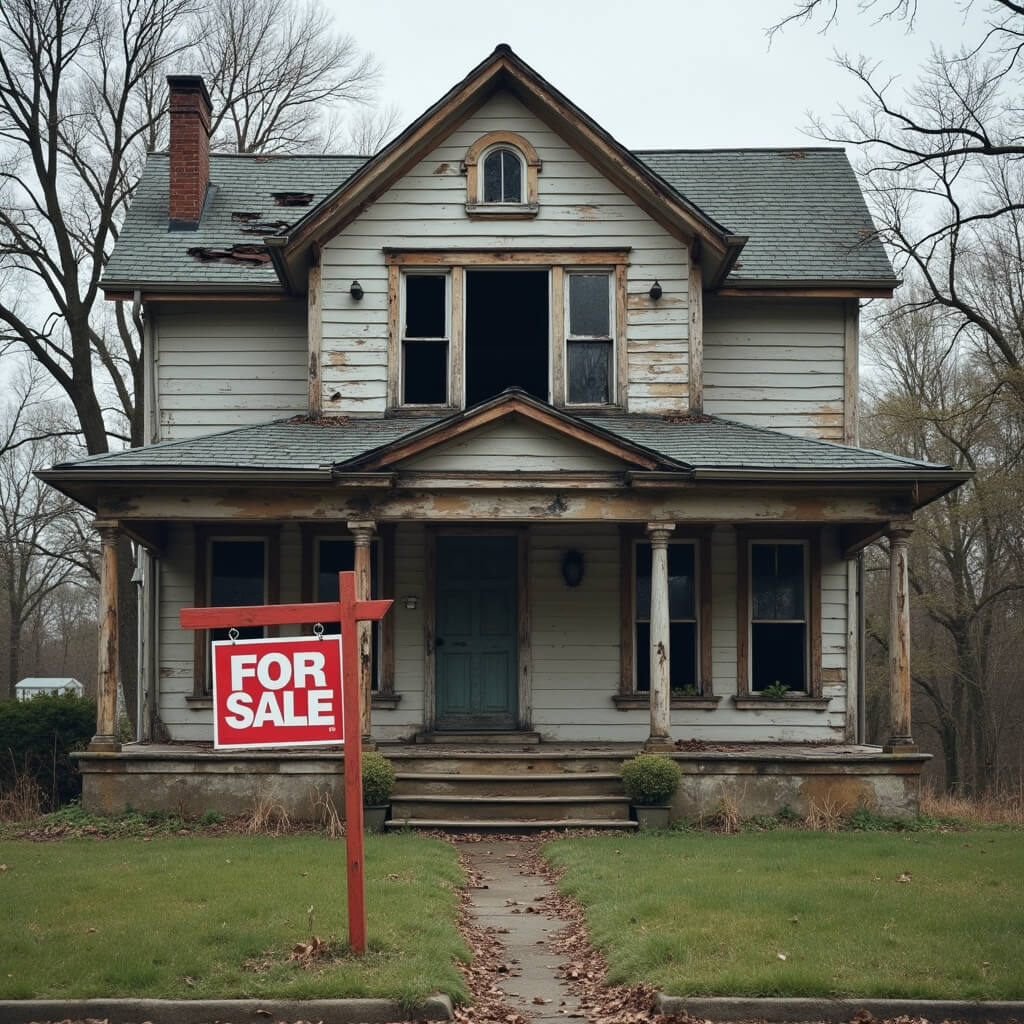
Cleveland, 20XX
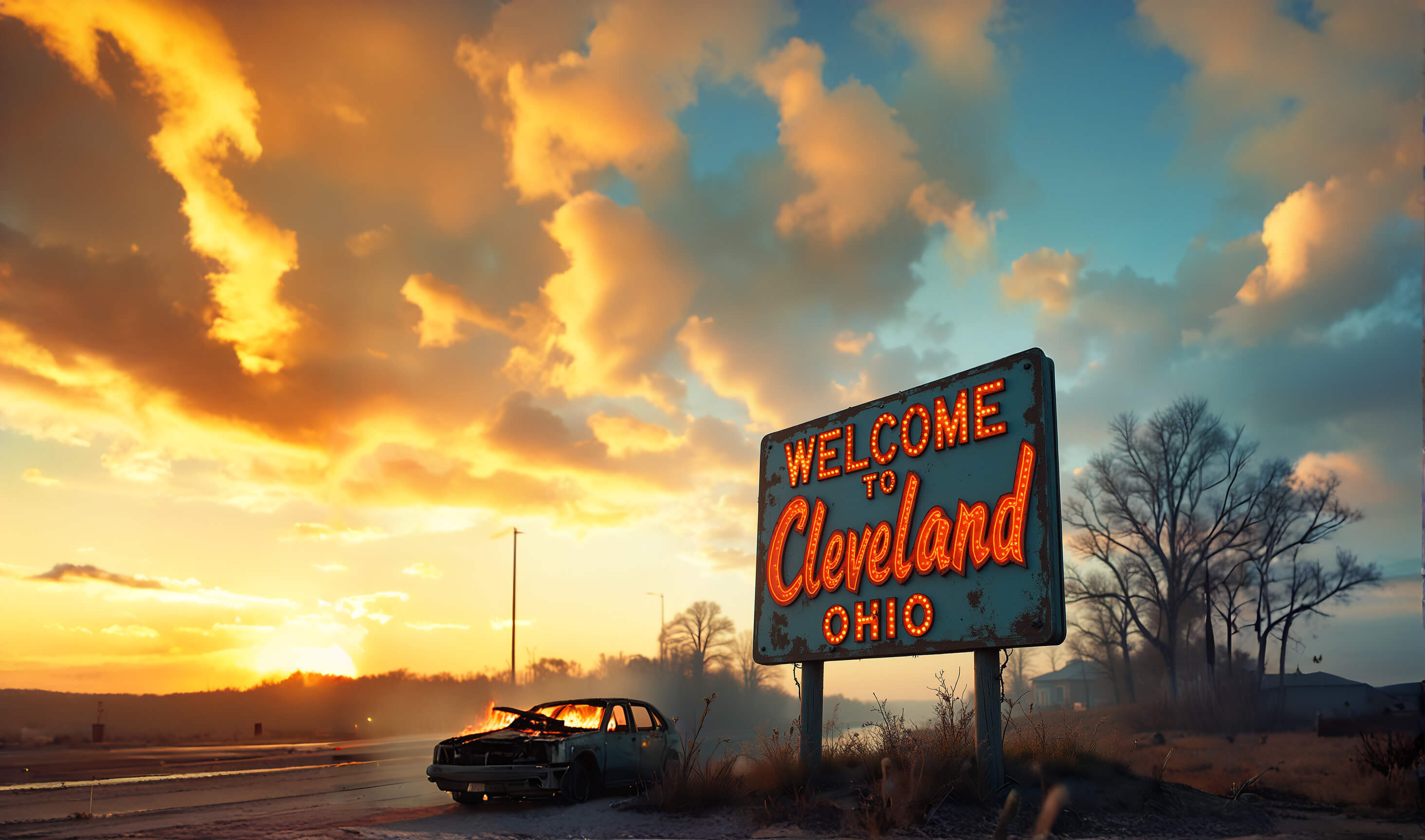

Nestled on the shores of the mighty Lake Erie, Cleveland is your ultimate post-apocalyptic destination! With abundant fresh water, fertile nearby farmland, and a thriving Great Lakes trade scene, this city is a beacon of survival in the ruins of civilization. Stroll through its crumbling industrial districts to scavenge valuable scrap, barter at the historic West Side Market, or take refuge in one of its fortified landmarks like the Rock and Roll Hall of Fame or the Cleveland Clinic. Whether you're fishing for dinner, repurposing high-tech relics from NASA Glenn, or simply trying not to freeze in the ruins of the Muni Lot, Cleveland offers something for everyone!
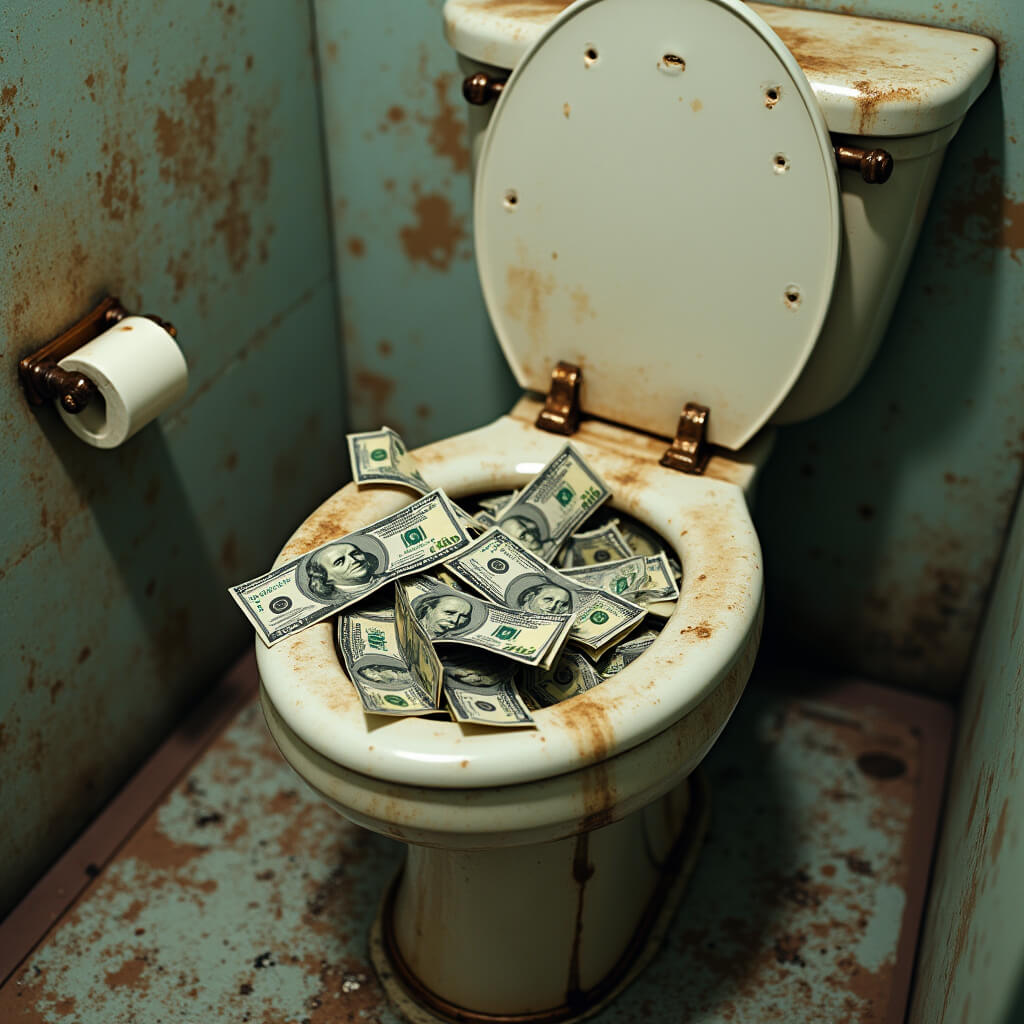
In the year 20XX, after rampant inflation and escalating trade wars, the fragile balance of the global economy collapsed. The United States, already weakened by years of unsustainable debt and monetary policy, saw the US dollar lose its value almost overnight. With the dollar’s failure, the linchpin of global trade vanished, creating a domino effect that spread through the import dependent economies of the Western world. Governments and markets scrambled to adapt, but an aging financial system and Federal Reserve were too large and bureaucratic to adapt.
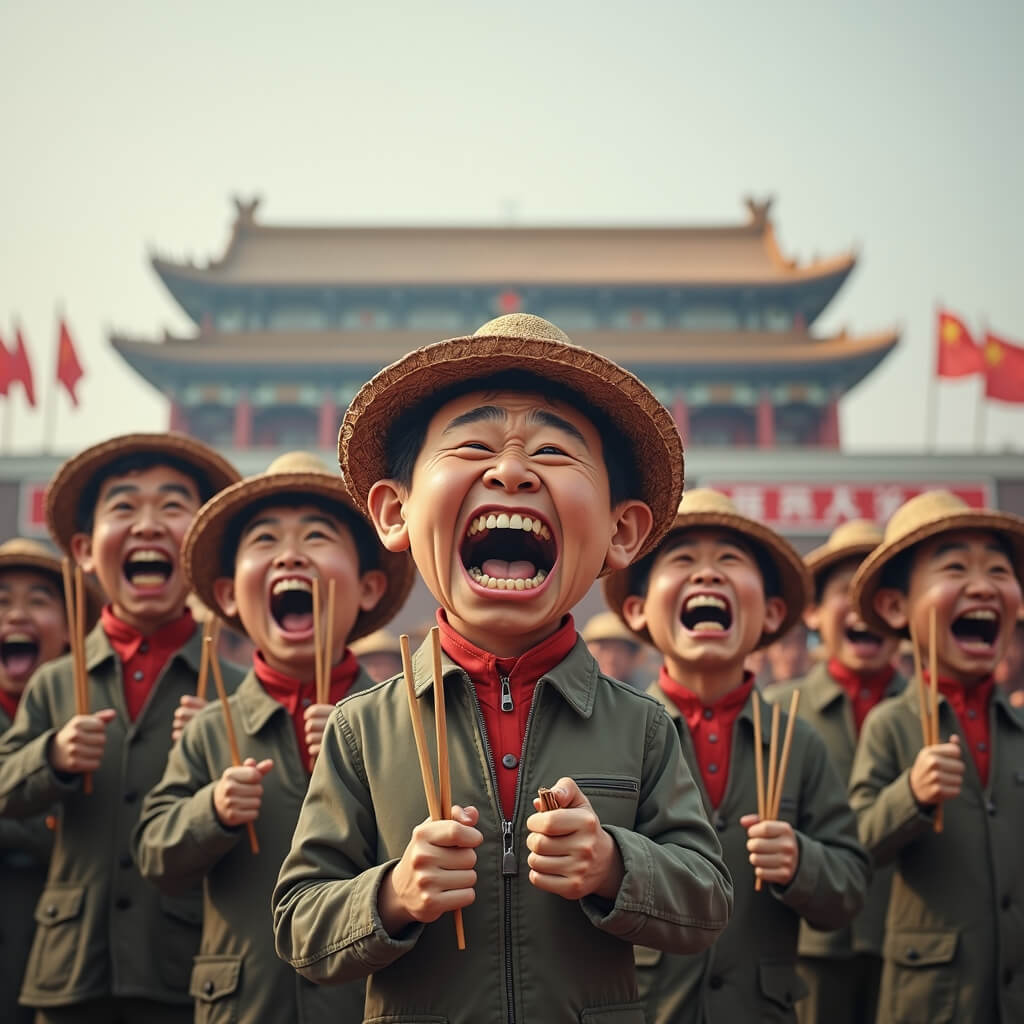
The collapse of the dollar had immediate consequences for China, whose economy was built on exporting goods to the West. With Western nations unable to purchase goods, Chinese factories ground to a halt, triggering mass unemployment and unrest. What began as economic instability soon spiraled into chaos, as local governments struggled to maintain order. Other nations, deeply reliant on Chinese labor, found themselves without critical imports. Demand soon greatly exceeded supply, and the precarious web of global trade became a tangled mess of shortages and desperation.

As the global economy unraveled, it became clear that much of modern society was superfluous. Careers in social media, entertainment, and finance, once lucrative in the times of excess, offered no solutions to the growing crisis of food shortages, failing infrastructure, and collapsing power grids. Selling pictures of your butthole was no longer a viable strategy in a world where survival depended on production, not consumption. It appeared people ‘liked’ eating more than masturbating.
Food and power became the new currency. Without functional supply chains or a competent workforce, the ‘haves’ quickly became the ‘have-nots’. After the super markets were looted, the farmers were next. Much like during the spread of the Soviet Union, productive farmers and those seen as "hoarding" resources were scapegoated, attacked, and executed. Crops were devoured without any knowledge of how to replenish them. The already diminished food supply shrank even further.
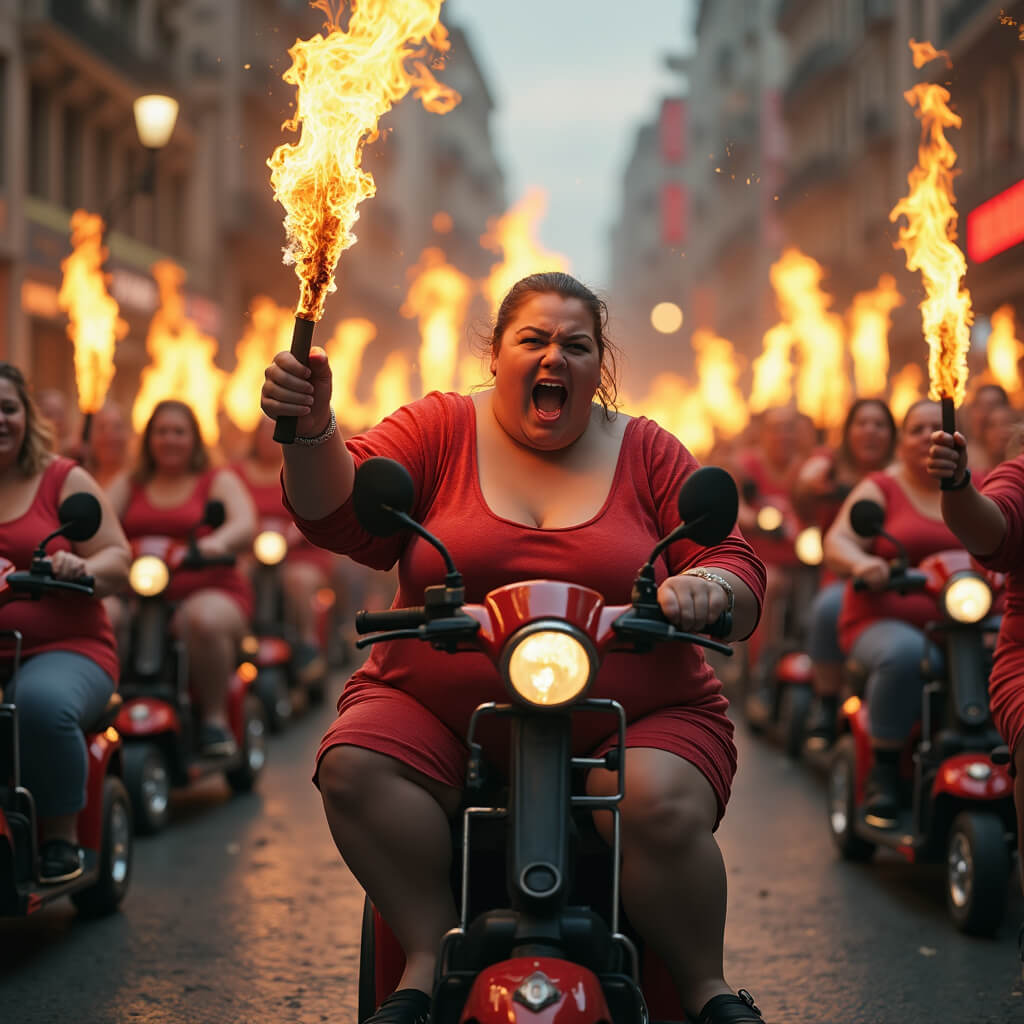

Within five years, the human population plummeted from 8 billion to around 100 million. Most starved as fields lay fallow, supply chains evaporated and infrastructure grew derelict. Due to being ‘icky’, unmaintained sewers overflowed and contaminated the drinking water. Diseases such as cholera and diptheria soon swept through the remaining population. Unfortunately, most of the remaining population had spent far more time learning to ‘heal the wounds of generational trauma’ rather than healing actual wounds.
It’s not all bad, however. If you don’t mind stepping over a few emaciated skeletons or dealing with the occasional roving gang of cannibals, you’ll find the real estate prices are pretty reasonable and the parking quite ample. A few cities have even begun to flourish after the collapse. Much of the rust belt, already dealing with the death of the American dream, found themselves surprisingly resilient and able to adapt to the effects of a disintegrating society.